Key Practices in Regenerative Agriculture: Sustainable Farming Techniques for a Healthier Future

Regenerative agriculture offers a promising path toward restoring soil health, increasing biodiversity, and improving water cycles. It goes beyond sustainability by actively improving the land and ecosystems where food is grown. This approach is essential for creating resilient food systems that can withstand climate change and support communities worldwide. In this post, I will share key sustainable farming techniques that form the foundation of regenerative agriculture. These methods are practical, effective, and accessible to anyone interested in nurturing the earth while producing food.
Understanding Sustainable Farming Techniques in Regenerative Agriculture
Sustainable farming techniques focus on maintaining and enhancing the natural resources that agriculture depends on. Unlike conventional farming, which often depletes soil and water, regenerative methods work with nature to rebuild these resources. Some of the most important techniques include:
Cover cropping: Planting specific crops during off-seasons to protect and enrich the soil.
Crop rotation: Changing the types of crops grown in a field to prevent pest buildup and improve soil nutrients.
Reduced tillage: Minimizing soil disturbance to preserve soil structure and microbial life.
Agroforestry: Integrating trees and shrubs into farming systems to enhance biodiversity and provide shade and wind protection.
Composting: Recycling organic waste to create nutrient-rich soil amendments.
Each of these techniques contributes to healthier soil, which is the cornerstone of regenerative agriculture. Healthy soil retains water better, supports diverse organisms, and stores more carbon, helping to mitigate climate change.

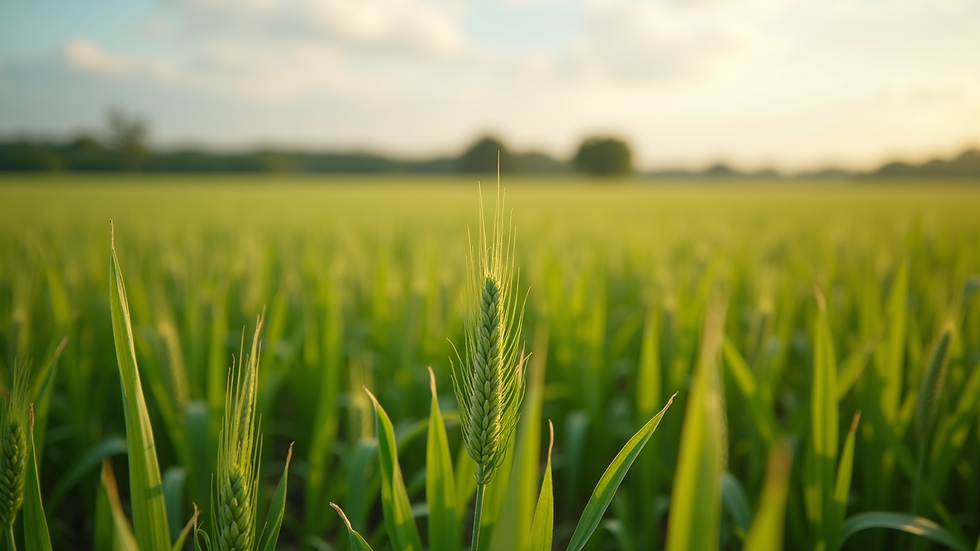
Cover crops protect and enrich soil during off-seasons.
The Role of Soil Health in Sustainable Farming Techniques
Soil health is the foundation of all regenerative agriculture efforts. When soil is healthy, it supports robust plant growth, reduces erosion, and improves water retention. To maintain and improve soil health, farmers can:
Test soil regularly to monitor nutrient levels and pH.
Add organic matter through compost, manure, or cover crops.
Avoid chemical inputs that harm beneficial soil organisms.
Use no-till or low-till methods to keep soil structure intact.
Encourage biodiversity by planting a variety of crops and integrating livestock.
Healthy soil is alive with microorganisms, fungi, and earthworms. These organisms break down organic matter, cycle nutrients, and create soil aggregates that improve aeration and water infiltration. By focusing on soil health, farmers can reduce their reliance on synthetic fertilizers and pesticides, leading to more sustainable and resilient farming systems.

Healthy soil rich in organic matter supports diverse soil life.
How to Practice Regenerative Agriculture?
Practicing regenerative agriculture involves adopting a holistic approach that combines multiple techniques tailored to local conditions. Here are some actionable steps to get started:
Start with soil testing: Understand your soil’s current condition to make informed decisions.
Implement cover crops: Choose species that fit your climate and soil type to protect and build soil.
Rotate crops annually: Plan rotations that break pest cycles and improve nutrient balance.
Integrate livestock: Use managed grazing to stimulate plant growth and recycle nutrients.
Reduce tillage: Transition gradually to no-till or minimum tillage to preserve soil life.
Use compost and organic amendments: Build soil fertility naturally.
Plant trees and shrubs: Incorporate agroforestry to enhance biodiversity and microclimates.
Monitor and adapt: Keep records and adjust practices based on results and observations.
By combining these steps, farmers can create a regenerative system that improves over time. It is important to be patient and persistent, as soil and ecosystem recovery can take several seasons. However, the long-term benefits include increased yields, reduced input costs, and a healthier environment.
The Importance of Biodiversity in Regenerative Agriculture
Biodiversity plays a critical role in the success of regenerative agriculture. Diverse plant and animal species create balanced ecosystems that resist pests and diseases naturally. Here’s why biodiversity matters:
Pest control: Natural predators keep pest populations in check.
Pollination: Diverse flowering plants support pollinators essential for crop production.
Soil health: Different plants contribute various root structures and organic matter.
Resilience: Diverse systems are better able to withstand extreme weather and climate changes.
Farmers can promote biodiversity by planting multiple crop species, maintaining natural habitats around fields, and integrating livestock. This diversity creates a dynamic and self-regulating system that reduces the need for chemical interventions.
Community and Indigenous Knowledge in Regenerative Agriculture
Regenerative agriculture today draws heavily on indigenous and community-led practices that have sustained ecosystems for centuries. These practices emphasize respect for the land, careful observation, and working with natural cycles. Examples include:
Polyculture farming: Growing multiple crops together to mimic natural ecosystems.
Water harvesting techniques: Using swales, terraces, and ponds to capture and store rainwater.
Sacred groves and protected areas: Preserving natural habitats within agricultural landscapes.
Traditional seed saving: Maintaining genetic diversity and resilience.
Incorporating these time-tested methods enriches modern regenerative approaches. It also honors the knowledge and stewardship of indigenous peoples, which is vital for creating truly sustainable food systems.
For more detailed insights and examples of regenerative agriculture practices, I recommend exploring resources that highlight these community-led innovations.
Moving Forward with Regenerative Agriculture
Adopting regenerative agriculture is a journey that requires commitment, learning, and adaptation. The benefits extend beyond the farm to the environment and society. By focusing on soil health, biodiversity, and community knowledge, we can build farming systems that nourish the planet and people alike.
Whether you are managing a small plot or a large farm, these sustainable farming techniques offer practical ways to make a positive impact. Together, we can foster resilient food systems that support healthy ecosystems and vibrant communities for generations to come.


Comments