Regenerative Agriculture Practices That Transform Farming with Sustainable Agriculture Methods

Farming is evolving. The way we grow food today impacts not only our plates but also the health of our planet. I have witnessed firsthand how adopting sustainable agriculture methods can breathe new life into the soil, increase biodiversity, and improve crop yields. These methods are not just trends; they are essential shifts toward a more resilient and productive future. In this post, I will share insights into regenerative agriculture practices that transform farming, offering practical steps and examples to inspire change.
Embracing Sustainable Agriculture Methods for a Healthier Future
Sustainable agriculture methods focus on meeting current food needs without compromising the ability of future generations to do the same. This approach balances environmental health, economic profitability, and social equity. It encourages us to work with nature rather than against it.
One key sustainable method is cover cropping. By planting cover crops like clover or rye during off-seasons, farmers protect the soil from erosion, improve soil fertility, and suppress weeds naturally. Another practice is crop rotation, which breaks pest and disease cycles and enhances soil nutrients by alternating different crops in the same field.
Additionally, integrated pest management (IPM) reduces reliance on chemical pesticides by using natural predators and crop diversity to control pests. These methods collectively reduce environmental harm and promote long-term farm viability.
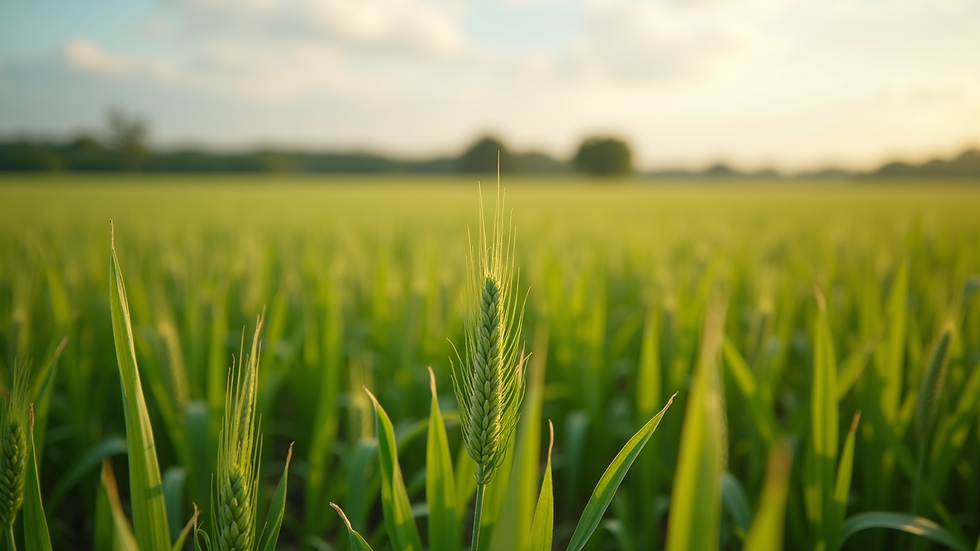
How to Practice Regenerative Agriculture?
Regenerative agriculture goes beyond sustainability by actively restoring and enhancing the ecosystem. It focuses on rebuilding soil organic matter, increasing biodiversity, and improving water cycles. Here’s how you can start practicing it:
Minimize Soil Disturbance
Avoid deep plowing or tilling. Instead, use no-till or reduced-till methods to maintain soil structure and microbial life.
Keep the Soil Covered
Use mulch, cover crops, or crop residues to protect the soil from erosion and moisture loss.
Increase Plant Diversity
Plant a variety of crops and integrate trees or shrubs to create a more resilient ecosystem.
Integrate Livestock
Managed grazing by animals like cattle or sheep can stimulate plant growth, recycle nutrients, and improve soil health.
Compost and Organic Amendments
Add compost or organic matter to boost soil fertility and microbial activity.
Water Management
Implement techniques such as swales, ponds, or drip irrigation to conserve water and improve infiltration.
By following these steps, farmers can regenerate their land, increase productivity, and contribute to climate change mitigation.

Benefits of Regenerative Agriculture for Farming and the Environment
The benefits of regenerative agriculture are profound and multifaceted. First, it improves soil health by increasing organic matter and microbial diversity. Healthy soil retains water better, reducing the need for irrigation and helping crops survive droughts.
Second, it enhances biodiversity. Diverse plantings and integrated livestock create habitats for beneficial insects, birds, and other wildlife. This natural balance reduces pest outbreaks and supports pollination.
Third, regenerative practices help sequester carbon in the soil, mitigating climate change. By capturing atmospheric carbon, farms become part of the solution rather than the problem.
Fourth, farmers often see economic benefits. Reduced input costs for fertilizers and pesticides, improved yields, and premium markets for sustainably grown products can increase profitability.
Finally, these methods promote resilience. Farms become better equipped to handle extreme weather, pests, and market fluctuations.
Challenges and Solutions in Adopting Regenerative Agriculture
Transitioning to regenerative agriculture is not without challenges. Many farmers face barriers such as:
Initial costs and labor: Implementing new practices may require investment and more hands-on management.
Knowledge gaps: Understanding complex ecological interactions takes time and education.
Market access: Finding buyers who value regenerative products can be difficult.
Policy and support: Lack of incentives or supportive policies can slow adoption.
To overcome these, I recommend:
Start small: Pilot regenerative practices on a portion of your land before scaling up.
Seek education and community: Join local or online groups focused on regenerative farming to share knowledge and experiences.
Leverage government programs: Many regions offer grants or technical assistance for sustainable practices.
Build direct markets: Connect with consumers through farmers markets, CSAs, or cooperatives that value regenerative products.
Persistence and collaboration are key to making this transition successful.
The Future of Farming: A Regenerative Path Forward
The future of farming lies in embracing methods that restore the land and support ecosystems. By integrating regenerative agriculture practices, we can create food systems that are productive, resilient, and environmentally sound. This approach honors indigenous knowledge and community-led innovations, ensuring that farming benefits everyone.
As we move forward, it is essential to share success stories, invest in research, and advocate for policies that support regenerative agriculture. Together, we can transform farming into a force for healing the planet and nourishing people.
Let us commit to this regenerative path and cultivate a future where agriculture thrives in harmony with nature.


Comments